
 Image 1 of 1
Calm, Confident, Connected: Reactivity Program for City Dogs
NYC is one of the hardest places on Earth to be a dog (and sometimes, a person!). So much of what we ask our dogs to navigate on a daily basis is strange, scary, loud, chaotic, invasive, counter to their natural ways of being, and generally overstimulating af.
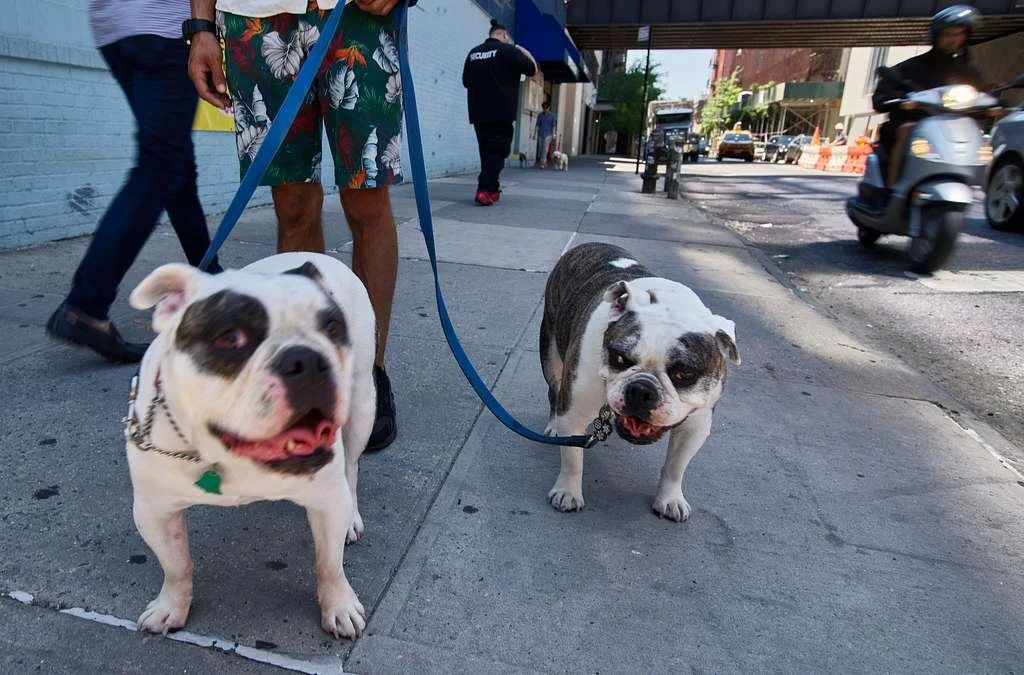
Reactivity (barking, lunging, snapping, etc), typically while on leash, is the most common behavior issue our clients have—you are not alone!
But guess what? Reactivity isn’t really a behavior issue. Fundamentally, it’s a nervous system issue with multiple moving parts. If you only tend to the behavior itself and leave out the other parts, you will most likely not achieve longterm improvement that actually changes how your dog feels, instead of insisting they suppress their feelings or else.
Our reactivity training program approaches the issue with a science-backed, trauma-informed, positive reinforcement, and relationship-focused layered approach:
Lifestyle upgrade: Adding Structured Play and Mental Stimulation to your dog’s daily routine
Nervous system protocol: Using daily Intentional Decompression protocol to achieve a lower baseline level of arousal while simultaneously teaching your dog how to downshift their own nervous system when they see a trigger
Activating doggie super powers: Management and Recovery techniques that activate your dog’s built in self-soothing mechanisms
Strengthening Relationship: Building your dog’s trust and confidence in you while navigating the world
Choice-based learning: Teaching your dog that when they see a trigger, they have other choices available to them that will feel better than blowing up at the trigger. This encourages safe autonomy rather than control or punishment.
Flip the Script: Changing how your dog actually feels about their current triggers through counter conditioning and incremental exposure to distractions and triggers
Human Education: With an eye toward confident independence, you’ll learn:
how to read your dog’s body language
clear, effective communication skills
pro leash handling skills
how reactivity works and what your dog needs from you
what to do before, during, and after you (inevitably) encounter a trigger in these mean city streets
how to measure your dog’s success
your own nervous system protocol to minimize transferring your (also inevitable) stress/anxiety to your dog
how to build your confidence with supporting your dog no matter what you face together
And all of this is specifically designed for New York City dogs and dog parents, and the unpredictable realities and constraints of city life.
Yup, I know it sounds like A LOT. It does take commitment and work (though not as much as you might think) on your end, but you can absolutely do this. You and your dog deserve to live with more calm and ease.
I know first hand from my own dog and client dogs, that significant improvement is exceedingly possible in nearly every case. And I’ll always be real with you about managing expectations.
This program consists of one 90 min introductory session followed by an individualized training plan (reactivity can vary in its underlying emotions, triggers, and expression) and eight 60min sessions, scheduled over the course of 4-6 weeks.
A note on reactivity: Reactivity is not aggression. Aggression is when a dog attacks with intent to harm. I do not have the expertise to train for aggression (yet). Please seek out the help of a qualified behavior specialist with aggression expertise.
NYC is one of the hardest places on Earth to be a dog (and sometimes, a person!). So much of what we ask our dogs to navigate on a daily basis is strange, scary, loud, chaotic, invasive, counter to their natural ways of being, and generally overstimulating af.
Reactivity (barking, lunging, snapping, etc), typically while on leash, is the most common behavior issue our clients have—you are not alone!
But guess what? Reactivity isn’t really a behavior issue. Fundamentally, it’s a nervous system issue with multiple moving parts. If you only tend to the behavior itself and leave out the other parts, you will most likely not achieve longterm improvement that actually changes how your dog feels, instead of insisting they suppress their feelings or else.
Our reactivity training program approaches the issue with a science-backed, trauma-informed, positive reinforcement, and relationship-focused layered approach:
Lifestyle upgrade: Adding Structured Play and Mental Stimulation to your dog’s daily routine
Nervous system protocol: Using daily Intentional Decompression protocol to achieve a lower baseline level of arousal while simultaneously teaching your dog how to downshift their own nervous system when they see a trigger
Activating doggie super powers: Management and Recovery techniques that activate your dog’s built in self-soothing mechanisms
Strengthening Relationship: Building your dog’s trust and confidence in you while navigating the world
Choice-based learning: Teaching your dog that when they see a trigger, they have other choices available to them that will feel better than blowing up at the trigger. This encourages safe autonomy rather than control or punishment.
Flip the Script: Changing how your dog actually feels about their current triggers through counter conditioning and incremental exposure to distractions and triggers
Human Education: With an eye toward confident independence, you’ll learn:
how to read your dog’s body language
clear, effective communication skills
pro leash handling skills
how reactivity works and what your dog needs from you
what to do before, during, and after you (inevitably) encounter a trigger in these mean city streets
how to measure your dog’s success
your own nervous system protocol to minimize transferring your (also inevitable) stress/anxiety to your dog
how to build your confidence with supporting your dog no matter what you face together
And all of this is specifically designed for New York City dogs and dog parents, and the unpredictable realities and constraints of city life.
Yup, I know it sounds like A LOT. It does take commitment and work (though not as much as you might think) on your end, but you can absolutely do this. You and your dog deserve to live with more calm and ease.
I know first hand from my own dog and client dogs, that significant improvement is exceedingly possible in nearly every case. And I’ll always be real with you about managing expectations.
This program consists of one 90 min introductory session followed by an individualized training plan (reactivity can vary in its underlying emotions, triggers, and expression) and eight 60min sessions, scheduled over the course of 4-6 weeks.
A note on reactivity: Reactivity is not aggression. Aggression is when a dog attacks with intent to harm. I do not have the expertise to train for aggression (yet). Please seek out the help of a qualified behavior specialist with aggression expertise.